Pennsylvania Considers Requiring Verification of AI-Generated Legal Content
Pennsylvania is considering a proposal from a committee advising the state Supreme Court that would require lawyers and other court filers to verify and certify the accuracy of any AI-generated content, including citations, in legal documents. This measure aims to…

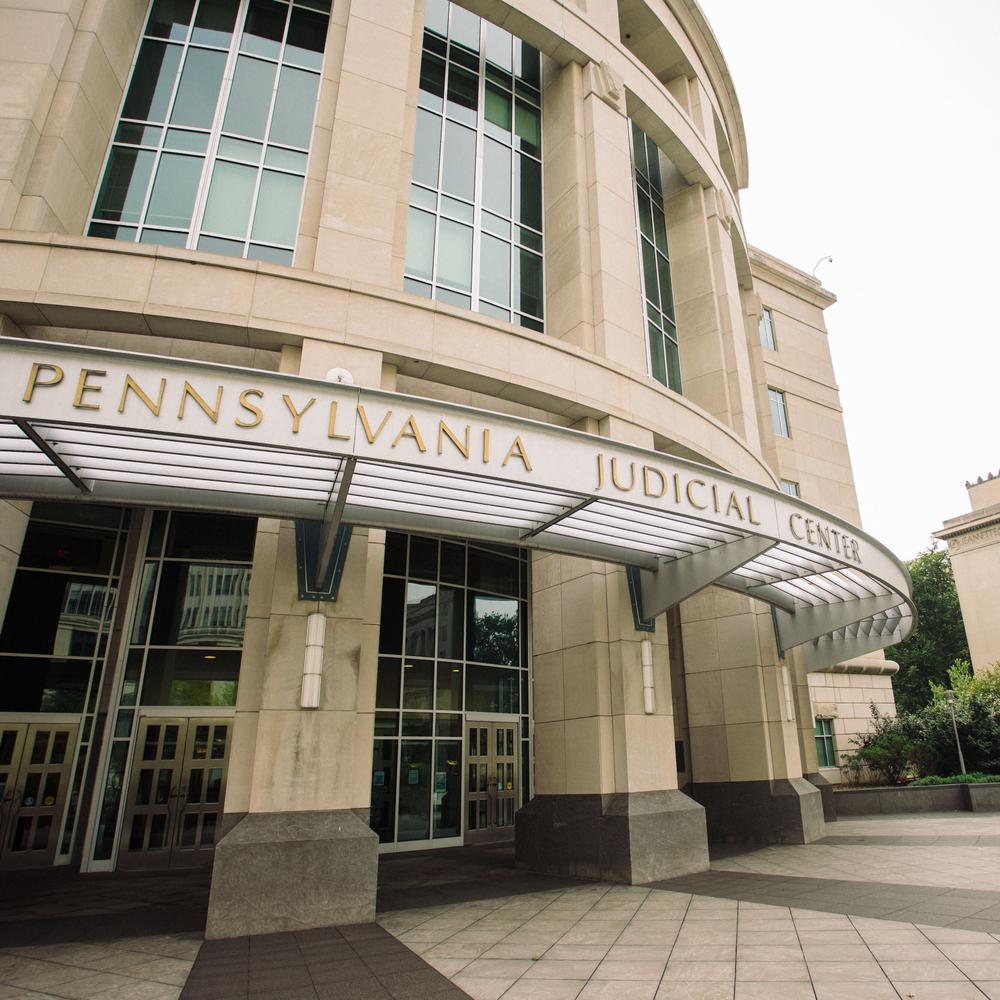
 Harrisburg Lancaster Lebanon York, PA, November 6, 2026 — Pennsylvania is evaluating a new proposal that could soon require legal professionals and other individuals filing documents with the courts to verify the accuracy of any content generated by artificial intelligence. The proposal originates from a committee that advises the Pennsylvania Supreme Court.
The core of the measure focuses on generative AI technology, which has become increasingly prevalent in various professional fields. The concern is that AI tools, while capable of producing text rapidly, may also introduce inaccuracies or fabricate information, such as incorrect legal citations or unsupported statements. To combat this, the proposed rule would mandate that lawyers and other court filers must actively verify and certify the correctness of any AI-generated material included in their legal submissions before they are officially filed.
The intent behind this prospective regulation is to uphold the integrity of legal documents and court proceedings. By placing the responsibility on the filer to confirm the accuracy of AI-produced content, the state aims to mitigate the risks associated with submitting potentially flawed or misleading information to the judicial system.
Specific details regarding the timeline for this proposal’s consideration, the exact wording of the verification requirement, or any potential penalties for non-compliance were not immediately available in the summary of the trend. The committee advising the state Supreme Court is responsible for reviewing such measures before they might be enacted.
This development reflects a growing awareness among legal bodies nationwide of the challenges and opportunities presented by artificial intelligence in legal practice. Courts and bar associations are beginning to grapple with how to integrate these powerful tools responsibly while ensuring that professional standards and the accuracy of legal work are maintained.
Story summarized from the original created by Angela Couloumbis on www.spotlightpa.org, see more information here.
Media gallery