VisiFlora Reviews Announces Daily Capsule Research Overview of Every Ingredient Group
Formula combines 21 listed ingredients, including lutein, zeaxanthin, astaxanthin, saffron and bilberry, alongside a
Press Release Disclaimer: This is a press release distributed through the XPR Media network. It has not been independently verified by our newsroom.
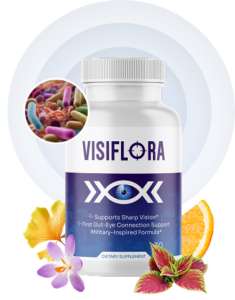

Formula combines 21 listed ingredients, including lutein, zeaxanthin, astaxanthin, saffron and bilberry, alongside a review that separates what studies found from what remains unproven
LARGO, Fla., Oct. 7, 2026 — VisiFlora today announced the U.S. availability of its daily dietary supplement for adults. The one-capsule-per-day formula combines vitamins, minerals, carotenoids and plant extracts that have each been studied in the context of eye and general health. It is designed for adults who already maintain regular eye exams, balanced nutrition and healthy daily habits, and want a supplement that fits that routine.
Alongside the launch, VisiFlora is publishing an overview of the published research on each ingredient group. The overview covers where the evidence is strong, where it is limited to laboratory or small studies, and where studies of the individual ingredient do not tell us anything about this finished product.
“Eye-health supplements are a crowded category, and a lot of the marketing runs well ahead of the science,” said Will Armstrong, Media Relations at VisiFlora. “We would rather show customers what is in the capsule, what researchers have actually found about each ingredient, and where the evidence is thin. Some of that research is encouraging and some of it is not. Both belong in the conversation.”
A Four-Group Formula
VisiFlora lists 21 ingredients in four groups. The recommended serving is one capsule daily with a meal and a glass of water. The product contains no stimulants.
- Vitamins, minerals and antioxidants: astaxanthin, vitamin C, vitamin E, copper, selenium and chromium.
- Polyphenols and related compounds: grape seed extract, rutin, quercetin, taurine and alpha-lipoic acid.
- Botanicals: ginkgo biloba, coleus forskohlii and eyebright.
- Carotenoids, zinc and fruit extracts: vitamin A (as beta-carotene), lutein, zeaxanthin (from marigold), zinc (11 mg), bilberry extract, lycopene and saffron extract.
“Stimulant-free” describes what the formula leaves out. It does not mean the product has no physiological activity. Ginkgo, vitamin E and quercetin, for example, can affect blood clotting or interact with medications, so the safety section below applies to everyone considering the product.
The Supplement Facts panel on the label is the definitive source for the amount of each ingredient per capsule.
Lutein and Zeaxanthin: The AREDS2 Trial
Lutein and zeaxanthin are carotenoids found in the macula, the central part of the retina. The largest trial of them is AREDS2, which enrolled 4,203 adults aged 50 to 85 at high risk of advanced age-related macular degeneration (AMD) [1]. Everyone took a base formula of vitamins C and E, beta-carotene, zinc and copper. Participants were then randomized to add lutein (10 mg) plus zeaxanthin (2 mg), omega-3 fatty acids, both, or neither.
Adding lutein and zeaxanthin did not significantly reduce progression to advanced AMD overall: 29 percent of that group progressed, compared with 31 percent of the control group. In secondary analyses, lutein and zeaxanthin looked more favorable than beta-carotene, and the effect appeared larger in people whose diets were lowest in these carotenoids. The researchers said those findings need further study.
The participants already had signs of AMD. The results cannot be assumed to apply to healthy adults, and VisiFlora is not intended for people with eye disease. In AREDS2, the beta-carotene group also had more lung cancer cases, mostly in current and former smokers. VisiFlora contains vitamin A as beta-carotene, so people who smoke or have smoked should speak with a healthcare professional first.
Saffron: Small and Early Research
Saffron (Crocus sativus) is a spice from the stigmas of a crocus flower. In a randomized, placebo-controlled crossover trial in Investigative Ophthalmology & Visual Science, 25 people with early AMD took 20 mg of saffron daily for three months and placebo for three months, in alternating order [2]. Retinal flicker sensitivity, measured by an electrical test of retinal response, improved on saffron compared with baseline and placebo.
The trial was small and short, and it measured an electrical signal from the retina, not how well participants saw or whether their disease progressed. The authors said the results need to be replicated.
Bilberry: Evidence That Falls Short
Bilberry (Vaccinium myrtillus) has a long history of traditional use, and extracts are often marketed for night vision. A systematic review of placebo-controlled trials found 12 relevant trials, 11 of which tested healthy people with normal eyesight [3]. The authors concluded that rigorous studies do not support a night-vision benefit of bilberry anthocyanosides in people with normal vision, and noted that no rigorous research had examined people with impaired night vision from eye disease.
VisiFlora does not attribute any night-vision outcome to its formula.
Other Ingredients: Limited or Indirect Evidence
- Ginkgo biloba: studied for circulation and for glaucoma, with small studies and mixed results. It can affect blood clotting.
- Astaxanthin, lycopene, grape seed extract, quercetin, rutin, taurine and alpha-lipoic acid: studied mostly in laboratory, animal or non-eye settings. Human evidence for eye outcomes is limited.
- Coleus forskohlii and eyebright: traditional-use ingredients with little human clinical research on eye outcomes.
- Vitamins C and E, zinc, copper, selenium and chromium: nutrients the body needs. The AREDS findings concern specific formulations at specific doses in people with AMD. VisiFlora’s 11 mg of zinc is below the 25 mg and 80 mg amounts tested in AREDS2.
VisiFlora identifies these ingredients as part of its formula and does not assign a specific benefit to any of them.
What Ingredient Research Does and Does Not Show
VisiFlora’s research overview separates three questions: what each ingredient is, what researchers have found about it independently, and what has been demonstrated about the finished formula.
The studies referenced here examined single ingredients or specific combinations, at specific doses, in specific populations, mostly people who already had signs of eye disease. Some produced encouraging preliminary results, others were inconclusive, and the bilberry review did not support a night-vision benefit. VisiFlora combines 21 ingredients in one capsule, at amounts and in preparations that may differ from any individual study, and the finished formula has not been evaluated in published clinical trials. For that reason, VisiFlora does not describe its product as clinically proven or attribute ingredient-level findings to the complete formula.
“We included the bilberry review on purpose,” said Armstrong. “If a company cites only the studies that went its way, consumers cannot make a real decision. We also want people to know that a supplement is no substitute for regular eye exams.”
Safety and Suitability
VisiFlora is intended for healthy adults. Several ingredients may affect blood clotting, blood sugar or blood pressure, or may interact with medications, so people in these situations should consult a qualified healthcare professional before use:
- take blood thinners or have a bleeding disorder
- have diabetes or take medication that lowers blood sugar
- take blood pressure medication or other prescription medication
- smoke, or used to smoke (the formula contains beta-carotene)
- are pregnant, nursing or planning a pregnancy
- are scheduled for surgery
- already take vitamin A, zinc, vitamin E or other dietary supplements, because total intake can add up
- have been diagnosed with an eye condition
The product is not intended for children. Follow the label directions and do not exceed the recommended serving. The physical label and Supplement Facts panel are the definitive source for ingredient amounts, directions and warnings.
Product Format and Availability
VisiFlora is available now to U.S. consumers through its official website, where purchase options are listed. The recommended serving is one capsule per day with a meal. The product is backed by a 60-day money-back guarantee; terms are available on the website. The product is manufactured in a GMP-certified facility.
GMP certification relates to manufacturing standards, identity, purity and quality controls. It does not indicate FDA approval of the product or its claims, as dietary supplements are not approved by the Food and Drug Administration before sale.
About VisiFlora
VisiFlora is a dietary supplement brand based in Largo, Florida. Its daily capsule combines 21 ingredients, including lutein, zeaxanthin, astaxanthin, saffron and bilberry. The company’s approach centers on ingredient transparency, including plain-language discussion of both supportive and unsupportive research.
References
- Age-Related Eye Disease Study 2 (AREDS2) Research Group. Lutein + zeaxanthin and omega-3 fatty acids for age-related macular degeneration: the AREDS2 randomized clinical trial. JAMA. 2013;309(19):2005–2015.
- Falsini B, Piccardi M, Minnella A, et al. Influence of saffron supplementation on retinal flicker sensitivity in early age-related macular degeneration. Investigative Ophthalmology & Visual Science. 2010;51(12):6118–6124.
- Canter PH, Ernst E. Anthocyanosides of Vaccinium myrtillus (bilberry) for night vision: a systematic review of placebo-controlled trials. Survey of Ophthalmology. 2004;49(1):38–50.
Media Contact
Will Armstrong, Media Relations
VisiFlora
11870 62nd St. N, Largo, FL 33773, United States
Email: support@visiflora.com
Phone: 1 (814) 885-4823
Website: getvisiflora.com
These statements have not been evaluated by the Food and Drug Administration. This product is not intended to diagnose, treat, cure or prevent any disease. Research referenced in this release concerns individual ingredients and does not constitute clinical evaluation of the complete VisiFlora formula or endorsement by the cited researchers, journals, institutions or government agencies.
###
The post VisiFlora Reviews Announces Daily Capsule Research Overview of Every Ingredient Group appeared first on 24 Health Times.